A First Visit to a Seaside Rugby Club: How to Be a Considerate Guest
A first visit to a seaside rugby club feels more comfortable when you can read guest etiquette, respect club boundaries, and join conversations without guessing.
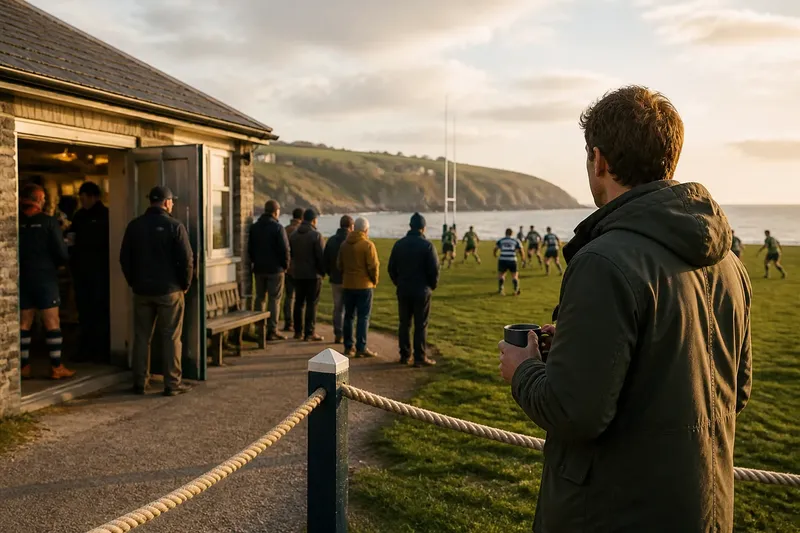
The most common first-visit mistake at a seaside rugby club is treating the touchline like a public walkway, then learning too late that a passage, team area, or view is blocked. A first visit to a seaside rugby club goes more smoothly when you observe how guests make room, follow local boundaries, and let conversation develop at its own pace.
How can you read the club’s boundaries?
Start by noticing practical cues rather than assuming that every open space is available to visitors. Look for ropes, signs, closed doors, and places where players or officials move between the field and changing areas. Keep clear of those routes, and avoid stepping onto the playing surface unless a club representative invites you.
Clubhouses may include a public room as well as spaces reserved for players, staff, or members. An open door does not necessarily mean every room is open to everyone. If you are unsure, ask before entering; that brief pause is easier than having to backtrack after crossing a boundary.
Pay attention to where people put bags, cups, and coats, too. If belongings are tucked beside a wall rather than spread across a bench, that may be a sign that seating is shared. When in doubt, leave space and choose another spot.
What does considerate touchline behavior look like?
Stand where you can see without blocking someone else’s view, and keep entrances and paths clear. If spectators are lined along one side of the field, follow their spacing rather than pressing into the front row. A little distance from the boundary also gives players and officials room to move.
Save questions for breaks in play. A short question to someone nearby is usually easier to hear when the crowd is not focused on a key moment. If the answer is brief, accept it; if the person turns back to the match, let the conversation pause.
Photography calls for similar attention. Check any posted club rules, avoid distracting players or officials, and ask before taking a close picture of someone who is not part of the action. If a person seems uncomfortable, lower the camera and move on.
How can you join local customs without pretending to know them?
Watch a custom before joining it. A shared cheer, a greeting between teams, or a post-match gathering may be familiar to regulars but new to a visitor. You can enjoy the moment without repeating words or gestures you have not understood.
When a custom seems open to newcomers, follow the tone around you. A quiet greeting is often enough; there is no need to perform enthusiasm or claim a connection you do not have. If you are uncertain whether an invitation includes guests, ask the person who made it.
Think of guest etiquette like borrowing a chair at a crowded table: make room for others, check before moving things, and leave the place ready for the next person. That simple analogy applies to shared paths, benches, clubhouse rooms, and conversations alike.
Which guest-etiquette questions are worth asking?
Can I enter this clubhouse room?
Ask a club volunteer or host before going in if the room’s purpose is unclear. If access is limited, use the public area or remain outside instead.
Is it all right to take this photo?
Check posted rules and ask people before taking close pictures of them. If someone objects or looks uneasy, put the camera away and choose a view that does not include them.
May I stand near this team area?
Ask a steward or club representative, especially if players are using the space. If spectators should keep back, move to the open viewing area they point out.
Is this gathering open to visitors?
Ask the person hosting or a club volunteer before joining a room or post-match gathering. If it is for members or players, thank them and stay in the public space.
How can you handle an uncertain moment politely?
Say you arrive alone at a coastal club and see a rope beside the touchline, an open clubhouse door, and people carrying cups into a room. You are unsure where guests may stand or whether the room is open. First, stay outside the roped area and keep the entrance clear; then ask a volunteer whether visitors may enter the room. If the answer is yes, go in and leave shared seating available; if not, watch from the public side of the rope and wait for another opportunity to talk. The observable result is a clear choice about where you may be, without putting players, members, or other spectators in an awkward position.
That is the useful habit behind a first visit to a seaside rugby club: notice the boundary, ask the person responsible, and choose the option that leaves others room. You can be a welcoming guest without knowing every custom in advance.